
 Contact us
The science
Contact us
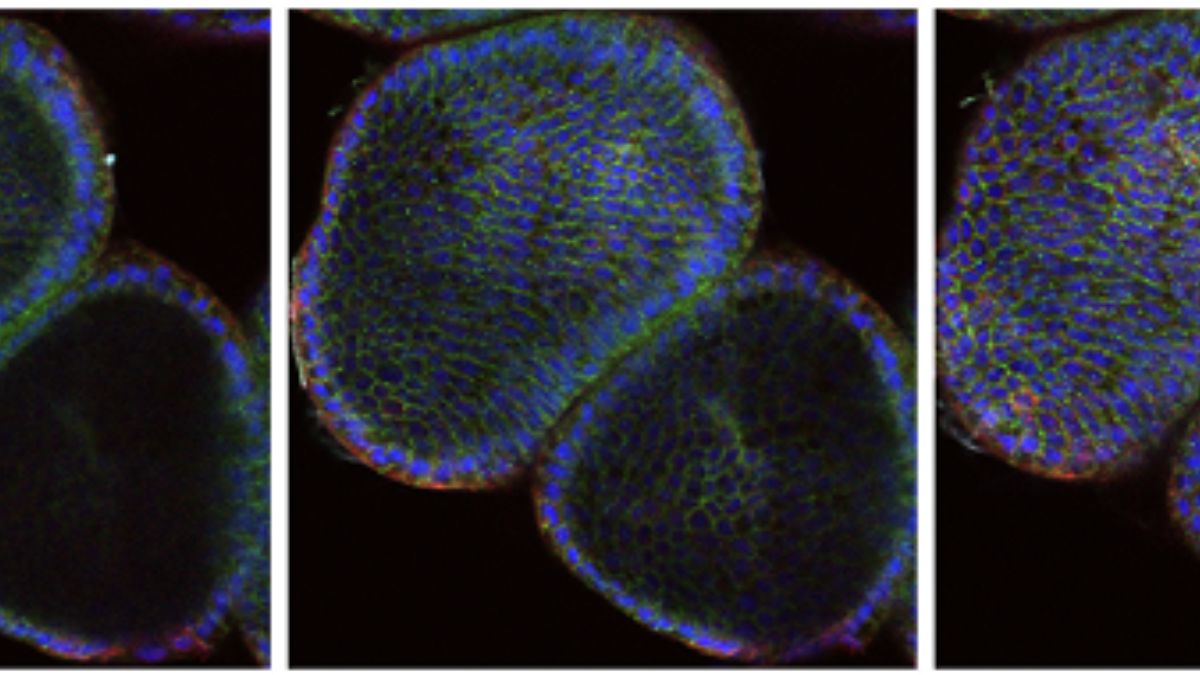
Using a patient's biopsy tissue, we create endometrial organoids, tiny living models of the patient's own uterine lining. Combining these with blastoids, model embryos, we recreate the patient-specific implantation process in the lab, so we can directly test what is and isn't working for that patient.
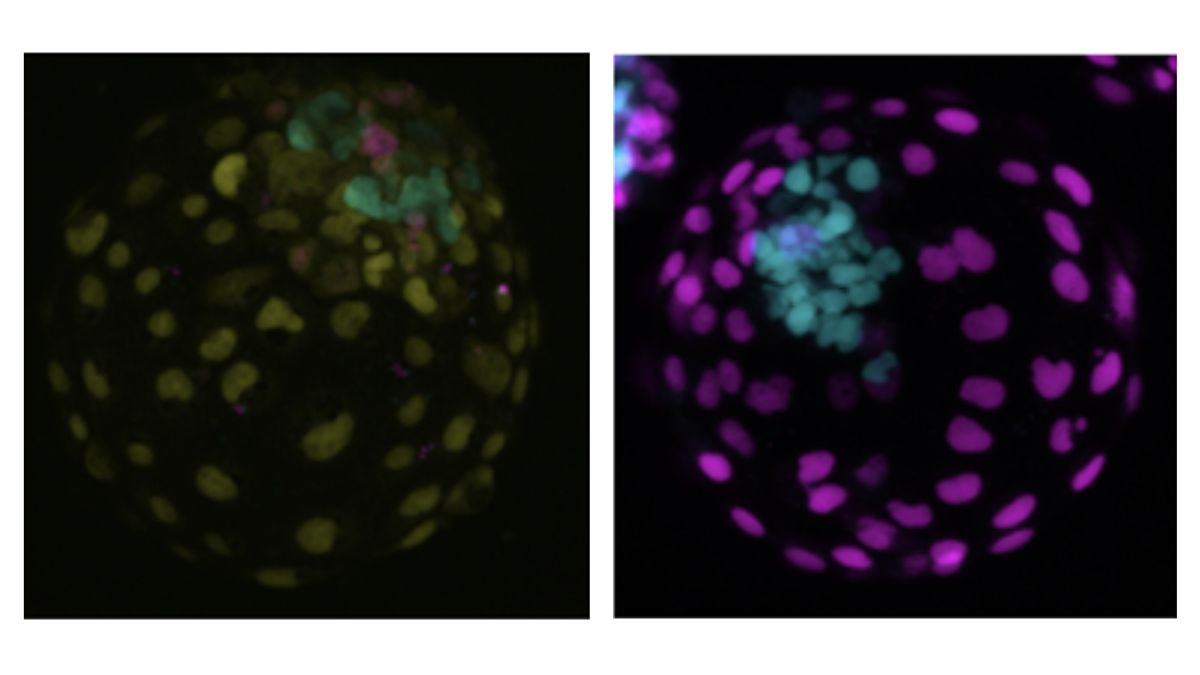
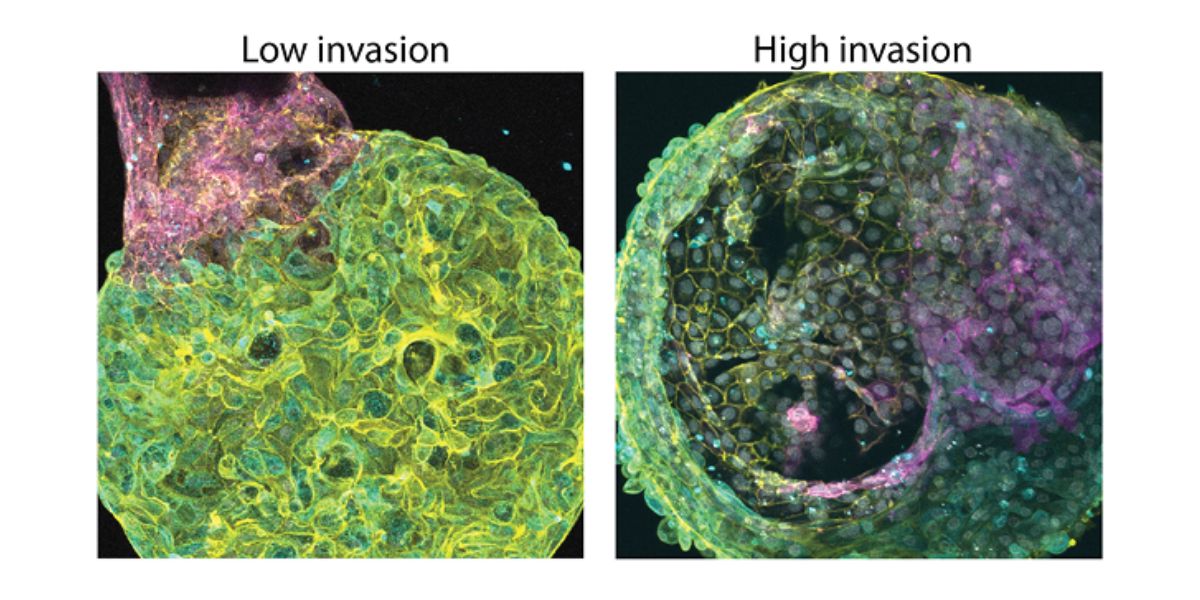
The introduction of blastoids to organoid cultures mimics embryo transfer, including the penetration of blastoid cells through the endometrial lining and the production of hCG. We measure the quality of implantation via hCG levels from the culture media and images of the organoid-blastoid interface.
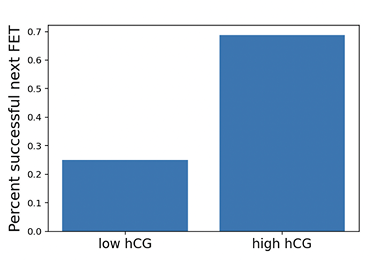
In a prospective study with over 100 IVF patients, Simbryo's organoid-based functional assay ("Simbryo FX") showed strong ability to predict embryo transfer outcomes.
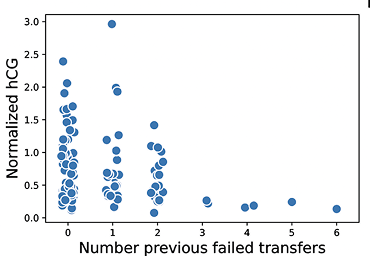
Patients with recurrent failed transfers consistently show a failure to allow blastoid integration and hCG production. Patients with fewer or no failed transfers show a wider range of responses, with better-responding patients more likely to have successful embryo transfer.
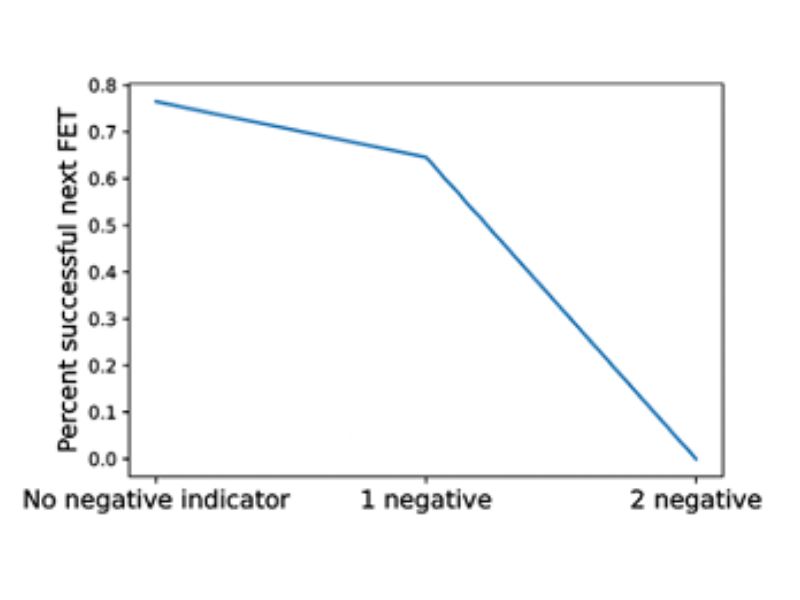
The combination of both low hCG production and low blastoid invasion predicted embryo transfer failure with greater than 90% specificity. In contrast, high levels of both hCG production and blastoid invasion predicted superior odds of success — over 80%.
Simbryo FX diagnosed recurrent implantation failure, defined as three or more embryo transfer failures with PGT-tested euploid embryos, with high sensitivity and specificity.
With every Simbryo patient, we are gathering more data, which allows us to more finely stratify patients and make even more precise predictions and recommendations.
In collaboration with physician scientists at leading academic IVF centers, we are working with organoids from high-failure patients to test a wider variety of protocols, including comparing natural and programmed cycles, varying the window of implantation, and testing existing and novel adjuvants, to identify effective personalized interventions for such patients.
Finally, the Simbryo platform represents an exciting opportunity for drug development to identify and test new compounds which improve implantation, to help future patients achieve success in fewer cycles.